 Archaeology tells us about the past.
Modern archaeology, as we know it, began in the mid to late 1800’s. In earlier centuries, excavators were little more than treasure hunters, unconcerned about the historical context of their finds. But modern archeologists apply scientific methods to the study of past human cultures.
The sequence dating method of British Egyptologist Flinders Petrie (1853-1942) had a profound impact on the application of scientific analysis to the field of archaeology. He based his method on how styles of pottery changed over time. He also pioneered a systematic methodology for cataloguing and recording the details of every artifact, no matter how small.
In the early 20th century, Mortimer Wheeler (1890-1976) developed a grid system for excavation that was further refined by Kathleen Kenyon (1906-1978). The Wheeler-Kenyon system maintains chronological information for the site, allowing archaeologists to virtually reconstruct their finds. Knowing the exact position of an artifact within a site is significant because the remains of multiple communities are typically layered atop one another. Thus, the position of an object indicates which community inhabited the site at that time.
What Do Archaeologists Find?
The goal of archaeology is to learn about the people and cultures of the past through the discovery of material remains. Such remains may include things like pottery, tools, weapons, jewelry, coins, figurines, and carvings. Artifacts like these help archaeologists understand the culture and identify an approximate time period for the people inhabiting a site. Human bones shed light on burial practices and provide clues about general health, diet, and disease. Items like animal bones, seeds, pollen, and plant remains may point to hunting, animal husbandry, and agriculture.
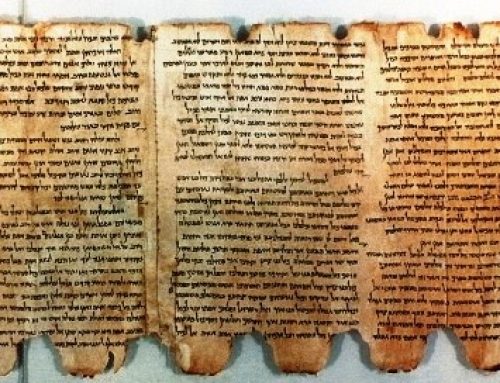
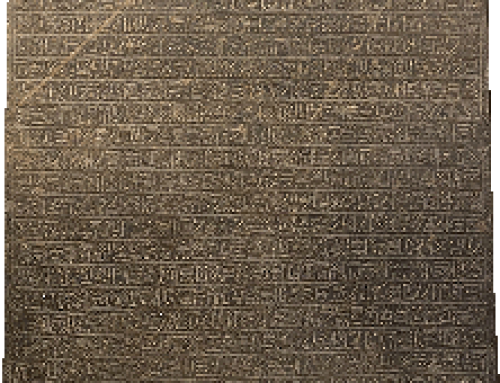
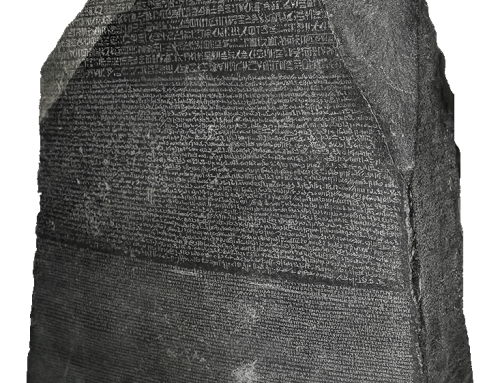
Uncovering structural remains helps archaeologists understand the larger culture. Archaeologists uncover homes, temples, tombs, roads, fortifications, irrigation systems, and even entire cities. The discovery of written records and art–like inscriptions, scrolls, tablets, frescoes, or mosaics–provides incredible historical value.
Archaeology Doesn’t Give Us the Whole Story
Archeology provides a wealth of information about human cultures of the past. But like any historical science, it only gives us clues. It cannot tell us the whole story. Sometimes, we literally have only bits and pieces. Therefore, archaeologists depend on other sources, like written historical records, to interpret those clues correctly. For example, the historical accounts of the Bible are often used to provide context for archaeological discoveries in the Middle East.


Leave a Reply