 Pioneer British Egyptologist Flinders Petrie (1853-1942) excavated on the west bank of ancient Thebes, across the river from the famous Temple of Karnak. Ancient Thebes is modern Luxor, a city in Upper Egypt on the Nile River. It was the religious center of Egypt during the New Kingdom period (c. 1550-1070 BC).
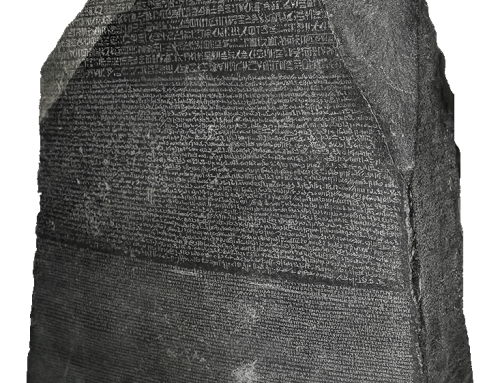
During his excavations in 1896-1897, Petrie’s excavation team carried out fieldwork on six temples. In one of these, the Temple of Pharaoh Merneptah (c.1264 BC – 1203 BC), he discovered a black granite stele inscribed with hieroglyphics recounting Merneptah’s conquests. One part of the inscription includes the earliest known mention of the people of Israel. It reads,
Canaan is captive with all woe.
Ashkelon is conquered, Gezer seized,
Yanoam made nonexistent;
Israel is laid waste, bare of seed,
The hieroglyphs used for Israel refer to a people, not to a land. They also imply that Israel was not yet a nation ruled by a king. This tells us that Israel was well established, recognizable as a people group, and powerful enough to be of concern. Thus we can surmise that Merneptah’s invasion c. 1207 BC occurred during the period of the judges. This also supports the Biblical timeline for an early date for the Exodus (see 1Kings 6:1).
Read more about the Merneptah Stele in this article from the Armstrong Institute of Biblical Archaeology. The stele resides in the Egypt Museum of Cairo.


Leave a Reply